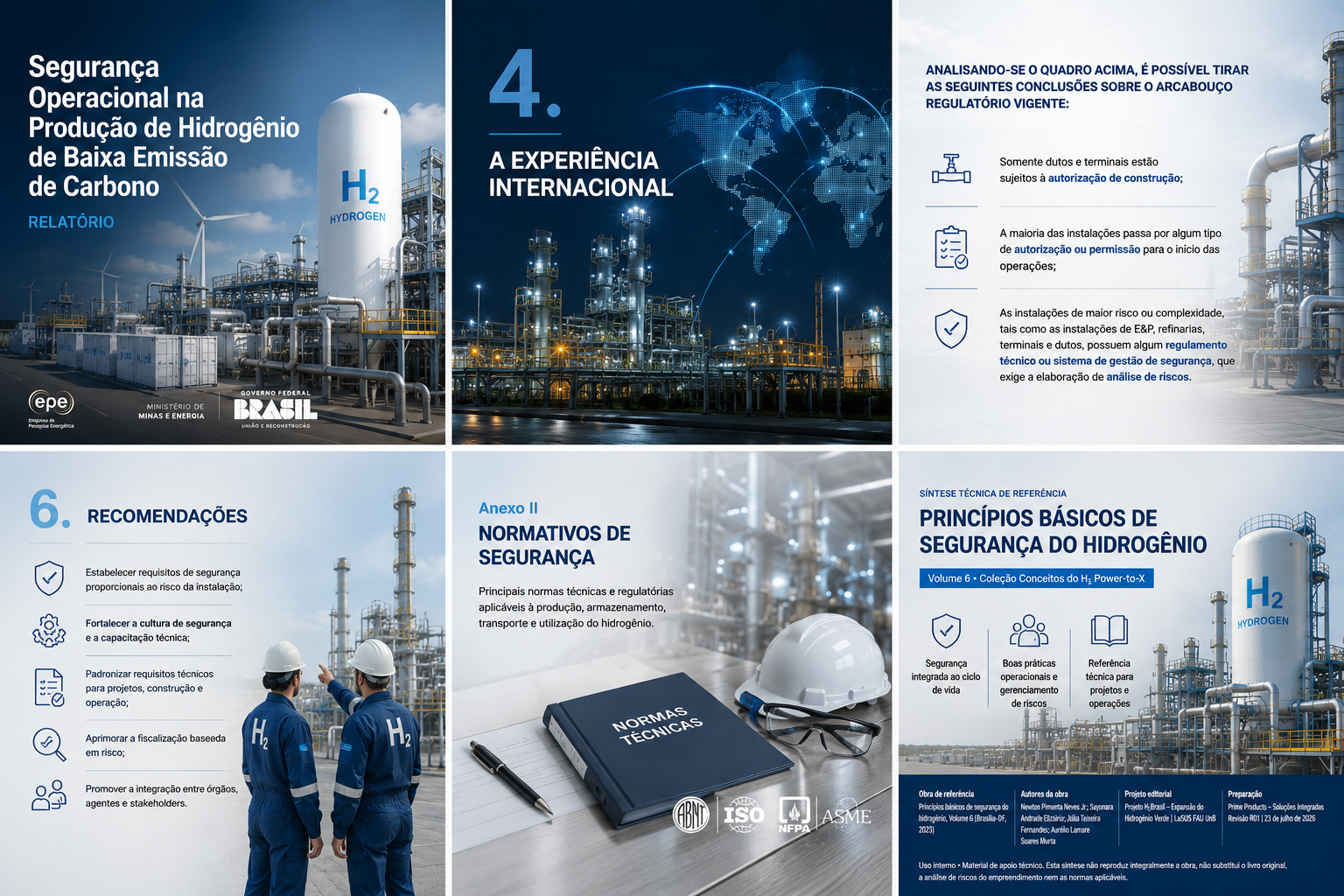
Core Principles of Hydrogen Safety
Technical reference guide on physical-chemical properties, dominant hazards, and layered defense philosophy for hydrogen systems.
This engineering reference document consolidates essential process safety standards for gaseous and liquid hydrogen systems. Drawing from Volume 6 of the H₂ Power-to-X Concepts collection, it establishes actionable safety criteria for engineering, installation, and operation.
1. Executive Summary
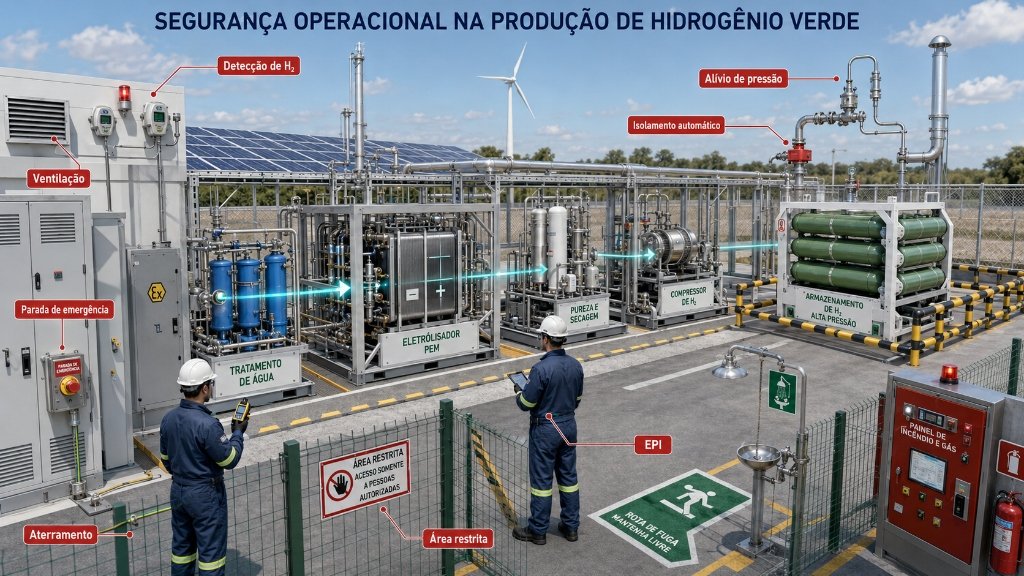
Hydrogen can be safely handled when process safety is engineered across independent defense-in-depth layers:
- Primary Containment: Engineered leak prevention with minimal mechanical joints.
- Pocket Prevention: Roof pocket elimination and certified positive ventilation.
- Early Detection: Optical and electrochemical sensors placed along probable dispersion paths.
- Automated Isolation: Fail-safe emergency shutdown (ESD) valves and automated de-energization logic.
- Lifecycle Maintenance: Routine inspection, functional testing, and precision calibration.
2. Risk Management & Protection Philosophy
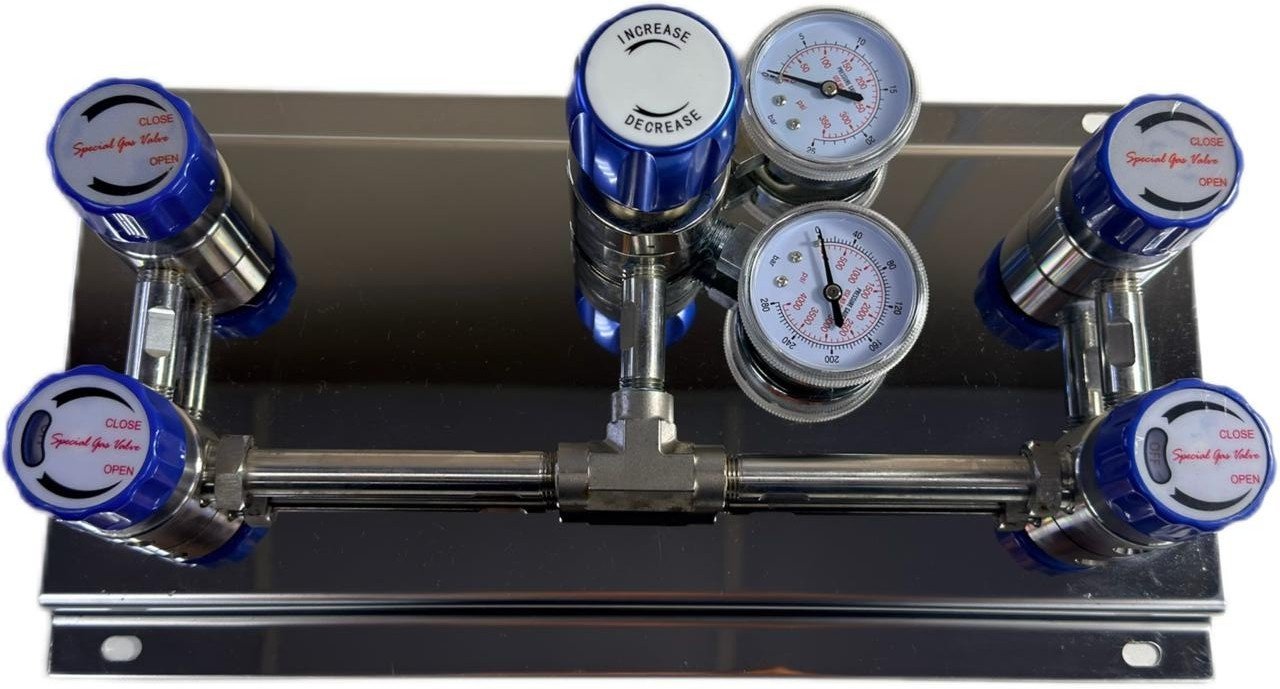
Engineering begins with rigorous evaluation of system inventory, operating pressures, temperatures, and potential release rates. Each scenario pairs with preventive and mitigating barriers: inherently safer design, precision pressure reduction, automated interlocks, and compliant flare/vent stacks.
3. Metallurgy & Quality Assurance
System reliability depends on certified metallurgy compatible with hydrogen embrittlement mechanisms (e.g., 316L with controlled nickel content). We enforce structured traceability from HAZID/HAZOP through hydrostatic testing and final 3.1 certified databook delivery.
Request Information
Our technical team is ready to serve your demand.
Technical Gallery